Integrated Design Solutions in Dallas: Delivering Projects That Perform
Integrated Design Solutions in Dallas: Delivering Projects That Perform

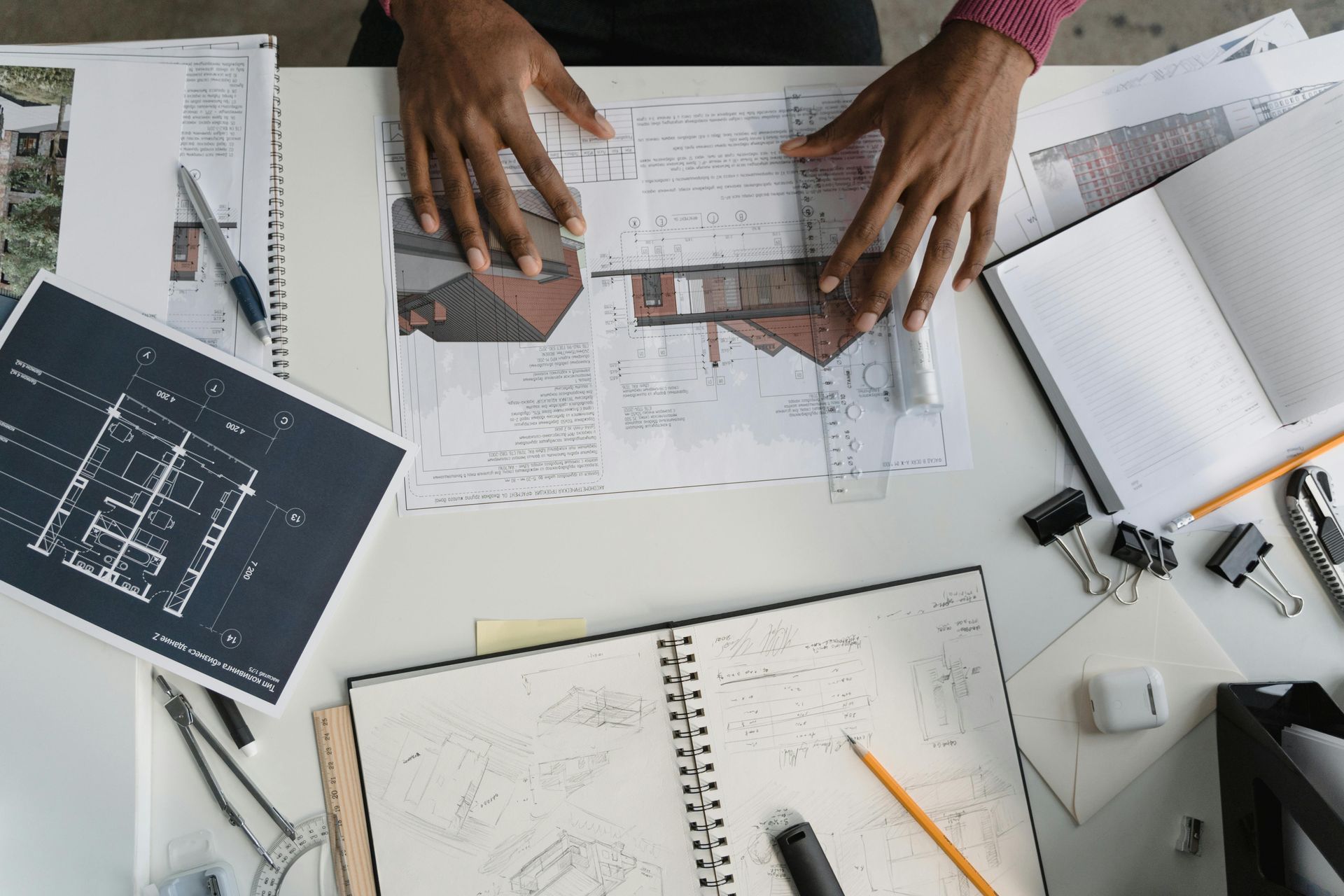
In Dallas–Fort Worth’s fast-paced construction market, owners expect projects to be delivered faster, with higher quality, and at lower operating costs. Traditional project delivery often struggles to meet these demands. Integrated Design Solutions — where architects, engineers, consultants, and builders collaborate from day one — offer a better path.
At Archline, LLC, we specialize in bringing disciplines together under a unified vision. This approach not only streamlines the design process but also ensures performance targets for energy, comfort, cost, and sustainability are achieved without last-minute compromises.
Why Integrated Design Works in Dallas
- Climate-Responsive Solutions: Local expertise ensures systems and materials are tuned to North Texas conditions.
- Faster Schedules: Early coordination reduces design changes and RFIs during construction.
- Cost Certainty: Value engineering happens during design, not after overruns occur.
- Sustainability Alignment: Energy, water, and material strategies are baked in from the start.
- Innovation: Ideas from multiple disciplines spark creative, high-performing solutions.
Core Principles of Integrated Design
- Early Stakeholder Involvement: Key players join in pre-design, including contractors and facility managers.
- Shared Goals: Performance, budget, and schedule targets are clearly defined and agreed upon.
- Collaborative Tools: BIM, energy modeling, and shared digital platforms support decision-making.
- Lifecycle Thinking: Decisions consider both first cost and long-term operating cost.
Twelve Strategies for Successful Integrated Design in Dallas
1. Climate and Site Analysis Early in Concept
Understanding sun paths, prevailing winds, and microclimates allows building form and orientation to minimize loads and improve comfort.
2. BIM for Real-Time Coordination
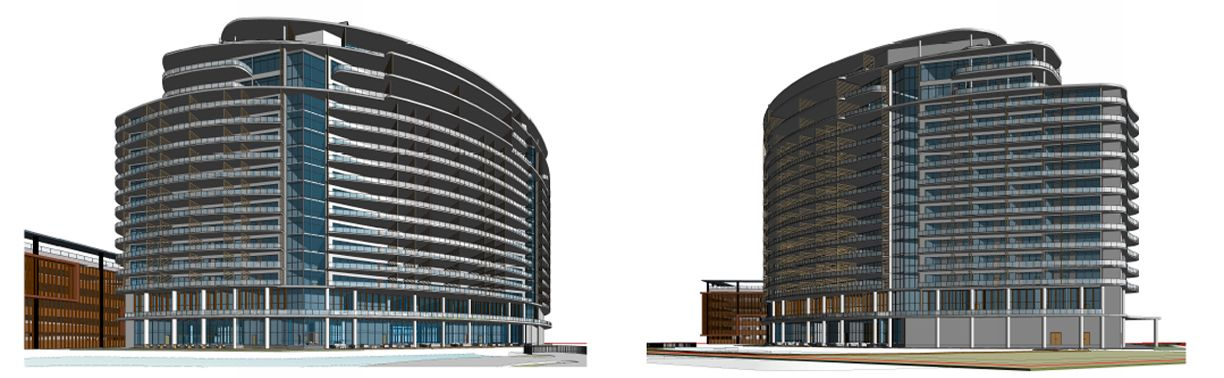
Building Information Modeling enables all disciplines to work in a shared 3D environment, catching conflicts before they hit the field.
3. Integrated Energy Modeling
Energy simulations are run alongside design iterations, not after design freeze, enabling optimization of envelope, systems, and renewables.
4. Water Efficiency from the Start
In Dallas’ water-conscious environment, irrigation, cooling, and fixture strategies are planned in schematic design.
5. Envelope-Mechanical Synergy
Architectural shading devices, glazing selection, and insulation levels are coordinated with HVAC sizing and selection.
6. Prefabrication and Modular Planning
Coordinating MEP layouts early allows prefabrication, improving quality and reducing construction time.
7. Commissioning Plan Development in Design
Including commissioning agents early ensures testable, verifiable performance criteria are part of specifications.
8. Local Material Sourcing
Selecting local suppliers reduces embodied carbon and supports Dallas’ economy.
9. Integrated Lighting and Daylight Strategy
Lighting designers and architects collaborate on daylighting and controls to meet both energy and comfort goals.
10. Smart Building Readiness
Planning BAS integration, sensors, and data infrastructure ensures future-ready buildings.
11. Lifecycle Cost Analysis
Evaluating decisions based on total cost of ownership, not just first cost.
12. Owner Operations Training Integration
Facilities teams are part of design discussions so they’re prepared to operate systems efficiently.
Archline’s Dallas Integrated Design Workflow
- Owner Vision Workshop: Align goals for performance, aesthetics, budget, and schedule.
- Assemble Team: Bring architects, engineers, sustainability consultants, contractors, and owner reps to the table early.
- Shared Digital Workspace Setup: Establish BIM protocols and collaborative tools.
- Performance Target Setting: Define EUI, water use, comfort, and maintenance goals.
- Iterative Design Reviews: Cross-discipline reviews at each design stage.
- Cost & Constructability Checks: Contractors provide pricing and logistics input in parallel with design.
- Simulation-Driven Decision Making: Use modeling to guide envelope, systems, and controls selection.
- Integrated Documentation: Produce coordinated, clash-free construction documents.
- Construction Coordination: Maintain design intent and address field issues collaboratively.
- Commissioning & Handover: Test systems and train operators before occupancy.
Ten Dallas/DFW Integrated Design Case Studies
- Uptown Dallas Office Tower: BIM coordination cut change orders by 40%.
- Plano Data Center: Integrated MEP design reduced energy use intensity (EUI) by 28%.
- Frisco Hospital Expansion: Modular MEP racks reduced construction by 8 weeks.
- Las Colinas Corporate HQ: Early shading-HVAC coordination cut cooling loads 15%.
- Dallas ISD New School: Integrated daylight and lighting design improved learning outcomes.
- Fort Worth Civic Center: Prefabricated plumbing assemblies improved quality and reduced waste.
- Richardson Research Facility: BAS integration planned in design improved post-occupancy optimization.
- Arlington Event Venue: Local material sourcing reduced embodied carbon 12%.
- DFW Airport Terminal Upgrade: Early commissioning plan prevented costly rework.
- Addison Performing Arts Center: Lifecycle cost analysis justified higher-performing HVAC with 4-year payback.
ROI and Incentive Opportunities
- Reduced Change Orders: Early coordination cuts field conflicts, saving thousands.
- Faster Occupancy: Shorter construction schedules mean earlier revenue.
- Operational Savings: Systems optimized for Dallas climate save on utilities.
- Oncor Rebates & §179D: Capture incentives for documented efficiency improvements.
Common Pitfalls (and How Archline Avoids Them)
- Late Contractor Involvement: We engage builders early to avoid rework.
- Discipline Silos: BIM and shared goals break down barriers.
- Missed Performance Targets: Ongoing simulation and commissioning keep goals on track.
- Poor Owner Training: We integrate operations training into handover.
FAQs
Q1: What is integrated design?
A collaborative approach where all project stakeholders work together from the earliest design stages to achieve shared goals.
Q2: How does it save money?
By avoiding redesigns, reducing change orders, and optimizing systems for lifecycle cost.
Q3: Can it be used on renovations?
Yes — integrated design principles apply to retrofits and expansions.
Q4: Does it slow down the design process?
No — while early stages may be more intensive, overall project delivery is faster.
Q5: How does it affect sustainability?
Sustainability measures are more effective when integrated from the start.
Q6: What tools support integrated design?
BIM, energy modeling software, and collaborative project management platforms.
Q7: Is it more expensive?
Upfront design fees can be slightly higher, but overall project costs are often lower.
Q8: Who leads the process?
Often the architect, but it can be a project manager or owner’s rep with collaborative leadership skills.
Q9: How is Dallas’ climate addressed?
Strategies are tailored for long cooling seasons, high sun exposure, and water efficiency.
Q10: Can integrated design help achieve LEED?
Yes — it makes credit coordination and documentation more efficient.
Q11: Does it require special contracts?
Some teams use Integrated Project Delivery (IPD) contracts, but principles can be applied in standard agreements.
Q12: How does it affect construction?
Field coordination is smoother, and prefabrication opportunities are greater.
Q13: Are there risks?
Poor communication can undermine results, which is why structured collaboration is key.
Q14: Can small firms do integrated design?
Yes — collaboration scales to project size.
Q15: How do you measure success?
Meeting performance, budget, and schedule goals without compromising quality.
Q16: Can integrated design support smart buildings?
Yes — technology planning is far easier when integrated early.
Q17: Does Archline provide all disciplines?
We coordinate multi-disciplinary teams, often including outside specialists.
Q18: How does owner involvement work?
Owners are active participants in decision-making throughout.
Q19: Is post-occupancy support included?
Yes — performance review and optimization are part of our approach.
Q20: Why is this approach growing in Dallas?
The market demands faster, better, and more sustainable projects — integrated design delivers all three.
Why Dallas Developers Choose Archline for Integrated Design
- Proven Local Expertise: Designs that respond to Dallas’ climate and codes.
- Full Lifecycle Support: From concept to post-occupancy optimization.
- Innovation and Quality: High-performance, constructible, and maintainable solutions.
- Collaboration Culture: We break silos to achieve better outcomes.
Contact Us Today
If you’re ready to deliver a Dallas project that performs from day one, Archline’s integrated design approach ensures you hit your goals on cost, schedule, and quality.