Revit and BIM Consulting for Architects in Dallas – Improving Coordination, Accuracy, and Project Delivery
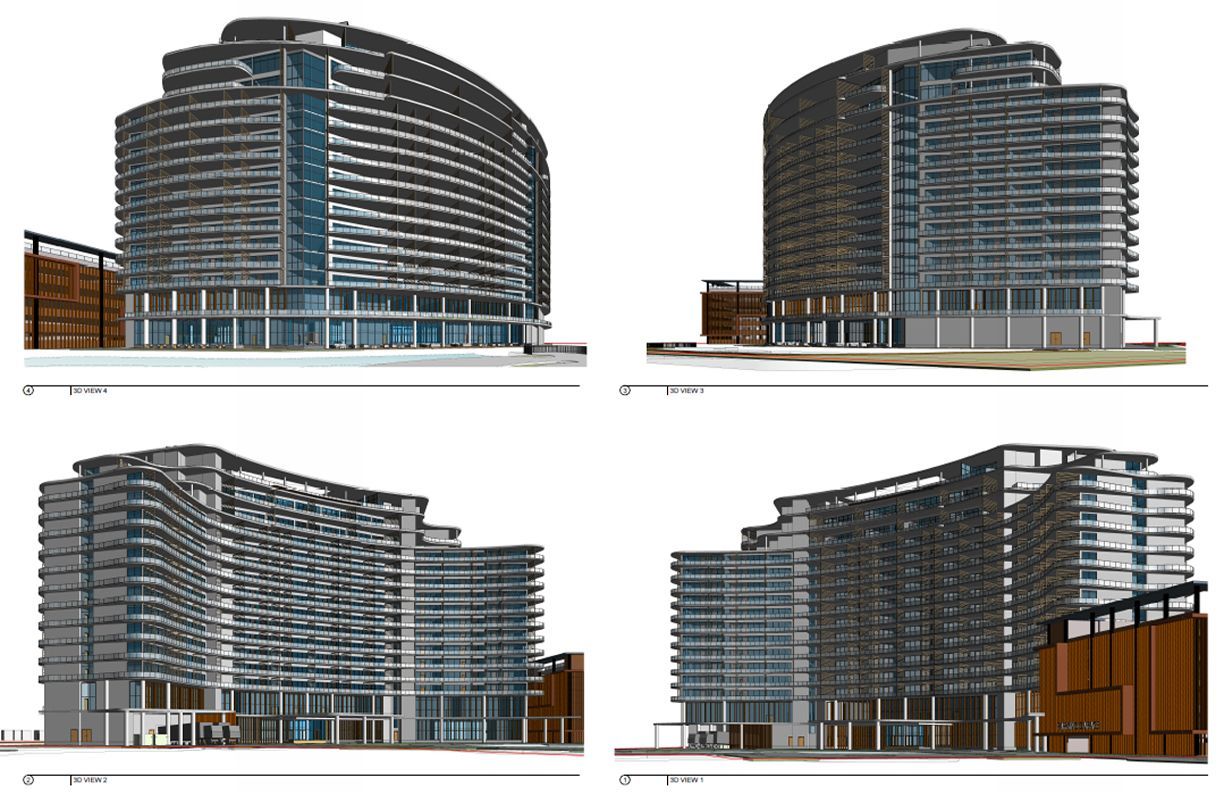
As architectural projects in Dallas–Fort Worth continue to grow in size and complexity, traditional 2D workflows are no longer sufficient to meet today’s performance, coordination, and delivery expectations. Building Information Modeling (BIM), and specifically Revit-based workflows, have become essential tools for architects who need precision, speed, and collaboration across disciplines.
However, simply using Revit does not guarantee better outcomes. Without proper structure, standards, and coordination, BIM models can quickly become inefficient, inaccurate, or misaligned with engineering and construction requirements. This is where Revit and BIM consulting plays a critical role.
For architectural firms in Dallas, BIM consulting provides the technical framework that turns Revit into a strategic asset rather than just drafting software. At Archline, LLC, BIM and Revit consulting services are designed to support architects by improving coordination, reducing errors, and aligning digital models with real-world construction and operational needs.
Why BIM Consulting Is Especially Important in Dallas
Dallas presents unique challenges that amplify the importance of high-quality BIM execution:
- Fast-track project schedules driven by competitive development cycles
- Complex MEP systems due to long cooling seasons and energy demands
- Large, multi-story commercial and mixed-use projects
- Increased reliance on prefabrication and modular construction
- Heightened expectations for coordination accuracy from contractors
In this environment, BIM errors don’t just slow down design — they create construction delays, RFIs, and costly change orders. BIM consulting ensures Revit models are structured to support the pace and complexity of Dallas projects.
What Revit and BIM Consulting Actually Includes
BIM consulting goes far beyond troubleshooting Revit files. It provides architectural teams with systems, standards, and workflows that scale across projects and teams.
Key BIM consulting services include:
- Revit model setup and template development
- BIM execution planning (BEP)
- Model coordination standards across disciplines
- Family creation and content management
- Level of Development (LOD) definition and enforcement
- Clash detection and issue tracking workflows
- Construction documentation alignment
- Interoperability with engineering and analysis tools
These services ensure that Revit is used intentionally, not reactively.
Revit Model Structure and Standards
One of the most common issues in architectural BIM is inconsistent model structure. Without standardized naming conventions, worksets, parameters, and view templates, models become difficult to manage and error-prone.
BIM consulting helps architects establish:
- Consistent project templates
- Standardized worksets for collaboration
- View and sheet organization aligned with deliverables
- Parameter standards that support schedules and data extraction
- File management strategies that prevent corruption and performance issues
For firms working on multiple Dallas projects simultaneously, these standards dramatically improve efficiency and reduce onboarding time for new team members.
Multi-Disciplinary Coordination in Revit
Architectural models do not exist in isolation. They must coordinate with mechanical, electrical, plumbing, structural, and civil models — often from multiple consultants.
Revit and BIM consulting improves coordination by:
- Establishing shared coordinates and model origins
- Defining clear model exchange protocols
- Aligning LOD expectations between disciplines
- Managing linked models for performance and accuracy
- Supporting clash detection workflows before issues reach the field
In Dallas projects with dense MEP systems, early coordination through BIM is one of the most effective ways to avoid ceiling conflicts, shaft congestion, and late-stage redesign.
Supporting Engineering Integration Through BIM
Engineering systems in Dallas buildings are often complex due to cooling loads, redundancy requirements, and energy efficiency targets. BIM consulting ensures that architectural models can support engineering integration rather than hinder it.
This includes:
- Reserving space for HVAC distribution and equipment
- Coordinating shaft sizes and riser locations
- Aligning ceiling heights with mechanical constraints
- Supporting energy modeling and system analysis workflows
- Ensuring models support fabrication-level detailing when required
When architects and engineers work from coordinated BIM models, design intent is preserved and constructability improves.
Revit for Construction Documentation Accuracy
Many architectural firms adopt Revit for modeling but still struggle during the construction documentation phase. BIM consulting bridges this gap by aligning models with documentation requirements.
This includes:
- Sheet setup optimized for permit and construction reviews
- Annotation standards that prevent missing or conflicting information
- Automated schedules tied directly to model data
- Detail coordination between 2D and 3D content
- Model audits to catch inconsistencies before issue dates
For Dallas projects facing tight permitting and inspection timelines, documentation accuracy is critical.
BIM and Prefabrication in Dallas Projects
Prefabrication is becoming more common in Dallas due to labor shortages and schedule pressure. BIM consulting supports prefabrication by ensuring models are suitable for downstream use.
Key considerations include:
- Higher LOD for MEP coordination zones
- Clearances verified digitally before fabrication
- Accurate geometry for spooling and shop drawings
- Coordination with trade partners early in design
Architects who understand how their models feed fabrication workflows add significant value to the project team.
Improving Model Performance and Stability
Large Revit models can become slow and unstable if not managed correctly. BIM consulting addresses performance issues by:
- Optimizing model size and geometry
- Managing linked files effectively
- Cleaning unused families and views
- Establishing best practices for worksharing
- Reducing model corruption risks
Stable models reduce downtime and frustration for design teams, especially on large Dallas projects with distributed teams.
Training and Ongoing BIM Support
BIM consulting is not just about setup — it also includes empowering architectural teams to use Revit effectively.
Support often includes:
- Project-specific Revit training
- Best practice documentation
- On-call troubleshooting support
- Workflow optimization reviews
- Assistance scaling BIM processes across the firm
This ensures that improvements are sustained beyond a single project.
Common BIM Challenges for Dallas Architects
Without dedicated BIM consulting, firms often encounter:
- Inconsistent modeling approaches between teams
- Poor coordination with engineering consultants
- Over-modeled or under-modeled elements
- Documentation errors traced back to model issues
- Lost time fixing preventable Revit problems
BIM consulting addresses these challenges systematically rather than reactively.
How BIM Consulting Improves Project Outcomes
Well-executed BIM workflows lead to:
- Fewer RFIs and change orders
- Faster design coordination cycles
- Improved construction accuracy
- Better communication with contractors
- More predictable project schedules
For architects working in Dallas’ competitive market, these outcomes directly affect reputation and repeat work.
Why Dallas Architects Partner with Archline for BIM Consulting
Architectural firms choose Archline because of its:
- Deep Revit and BIM technical expertise
- Understanding of Dallas building types and constraints
- Integration of BIM with engineering and performance analysis
- Focus on practical, constructible outcomes
- Ability to support firms of all sizes
Rather than imposing rigid systems, Archline adapts BIM strategies to fit how architectural teams actually work.
Conclusion
Revit and BIM consulting is no longer optional for architects delivering complex projects in Dallas. It is a strategic service that improves coordination, protects design intent, and reduces risk across the project lifecycle.
By investing in BIM consulting, architectural firms can transform Revit from a production tool into a platform for collaboration, performance, and long-term success.